
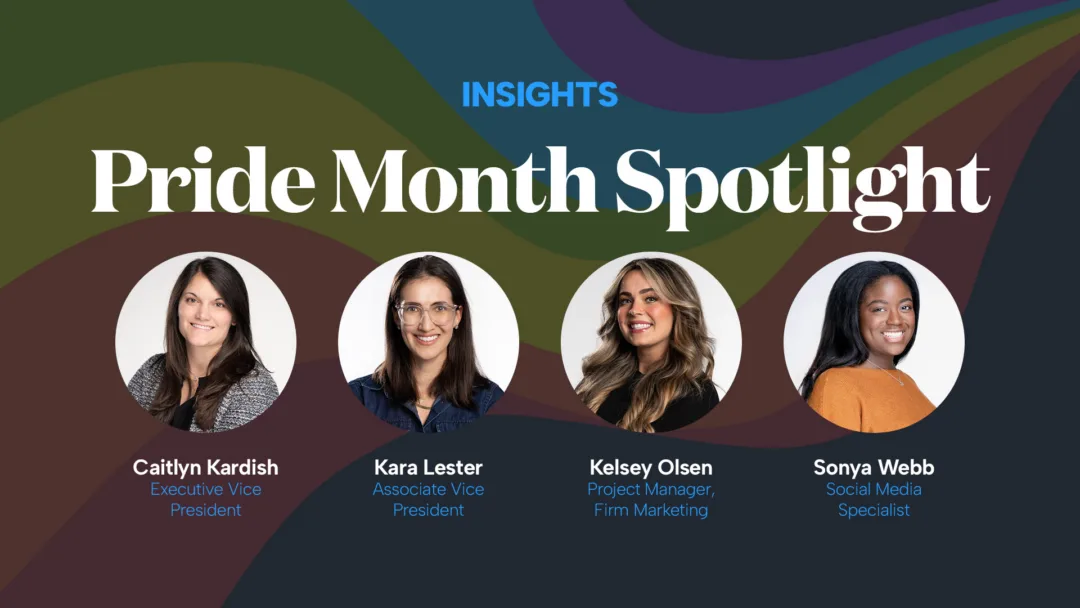
Pride Month is a time to celebrate the LGBTQIA+ community, recognize the progress that has been made, and reflect on the work that still lies ahead. It is also an opportunity to recognize the role allies play in fostering inclusion, supporting equality, and helping create environments where everyone feels welcome and respected. To mark Pride Month, we asked several colleagues across Gregory to share what being an ally to the LGBTQIA+ community means to them and why that commitment matters year-round.
Sonya Webb, social media specialist: I believe allyship is showing up and supporting members of the community. Even if you don’t understand, seek to learn more. Doing unto others as you would want done to you is a really big part of being an ally as well, and I believe my former point of seeking to understand and doing unto others intersects, especially in the social climate that members of the LGBTQIA+ community are facing. Going against community members’ basic rights that heteronormative people are given freely, just because their lifestyle may slightly differ because of who they love, is not basic human decency and respect.
While Pride Month is a fantastic way to reaffirm your commitment to being an ally and to learn about the history and significance of the observance, showing up year-round is far more crucial. The plights and struggles that members of the LGBTQIA+ community face cannot be solved and do not end after June 30th. Showing up by donating, not just monetarily but also your time, can be a great way to support the community year-round. One of my favorite organizations I keep up with is The Queer Trans Project, a Florida-based project run by my personal friends Cielo Sunsarae and Alexis Williams, which provides free gender-affirming supplies and general support.
Caitlyn Kardish, executive vice president: Allyship isn't something you declare. It's something you do, consistently and especially when it's inconvenient. The LGBTQIA+ community is navigating a complicated moment. Legal protections that once felt settled are being contested. Visibility has grown, but so has hostility in some spaces. For those of us who aren't directly impacted, this is the time to remain engaged. For me, that means listening to the people in my life who are part of this community. It means not tolerating language or behavior that diminishes anyone's dignity. And it means recognizing that being an ally is a practice, not a status. I'm proud to show up for the people in my life and in our community this month and every month.
Kelsey Olsen, project manager: To me, being an ally to the LGBTQIA+ community is about creating space for people to feel comfortable being themselves and knowing they're supported. That doesn't just happen during Pride Month. It comes from the way we treat one another every day, whether that's listening, learning, speaking up, or simply showing respect for different experiences and perspectives.
I appreciate that Pride gives us an opportunity to celebrate the LGBTQIA+ community and recognize the progress that has been made, but it also reminds us that there is always more work to do. Building an inclusive workplace isn't about checking a box. It's about creating an environment where people feel valued, welcomed, and able to bring their full selves to work.
June is also a time to recognize Juneteenth and reflect on the importance of equality and opportunity for all. I think it's important to take time to learn, have conversations, and understand the experiences of others. Those moments help us build stronger teams, stronger communities, and a greater sense of connection with one another.
Kara Lester, associate vice president: To me, being an ally to the LGBTQIA+ community is an important quality in the friends I surround myself with and the place that I work. As a straight, white woman, I’ve never faced judgment or been denied services based on my choice of partner or how I define my gender.
I can’t know how that feels but I do my best to listen, understand and be empathetic. To me, allyship is knowing there is always more to learn and creating a culture of inclusivity for community members.
Awareness months like Pride Month serve as a reminder of the privileges many of us have and many others aren’t afforded. They also remind us of what we should be doing year-round to support our friends, colleagues and family who are members of the LGBTQIA+ community.